
RESEARCH JOURNAL
Peptide Research Blog
Original research journalism for US laboratories — the mechanisms, trial data, and verification standards behind the peptides researchers ask about most.
13 articles.
Retatrutide: Inside the Triple-Agonist Everyone in Metabolic Research Is Watching
Retatrutide activates three receptors at once — GIP, GLP-1, and glucagon. Here is what the published data actually showed, and what US labs should demand on the COA.
Tirzepatide vs. Semaglutide vs. Retatrutide: A Research Comparison of the Big Three Incretins
One, two, and three receptors. A side-by-side research comparison of the three most studied incretin peptides — mechanism, published outcomes, and molecular differences.
How to Read a Peptide Certificate of Analysis (And Spot a Fake One)
A COA is only as trustworthy as the lab that issued it. Learn what each line of a peptide certificate of analysis actually proves — and the red flags of a fabricated document.
Tirzepatide Research Guide: Structure, Mechanism, and the SURPASS/SURMOUNT Data
The complete laboratory reference for tirzepatide — how dual incretin agonism works, what the SURPASS and SURMOUNT programs reported, and how to verify a research batch.
Lyophilized Peptides: The Complete Storage and Handling Guide for Research Labs
Most peptide degradation is preventable. The storage temperatures, freeze-thaw rules, and moisture controls that keep a research batch within specification.
Semaglutide: The GLP-1 Agonist That Started the Modern Incretin Era
The research reference for semaglutide — the GLP-1 mono-agonist whose STEP and SELECT trial programs defined the modern incretin era.
HPLC and Mass Spec, Explained: How Peptide Purity Is Actually Verified
Purity and identity are two different questions, answered by two different instruments. How HPLC and mass spectrometry combine to verify a research peptide batch.
BPC-157: What Two Decades of Preclinical Research Actually Found
BPC-157 is among the most-studied research peptides in preclinical literature — and the least validated in humans. A clear-eyed look at what the evidence shows and does not show.
GHK-Cu: The Copper Peptide With 50 Years of Skin Biology Behind It
Isolated from human plasma in 1973, GHK-Cu has five decades of published skin and wound-healing research. The mechanism, the gene-expression data, and how to verify a batch.
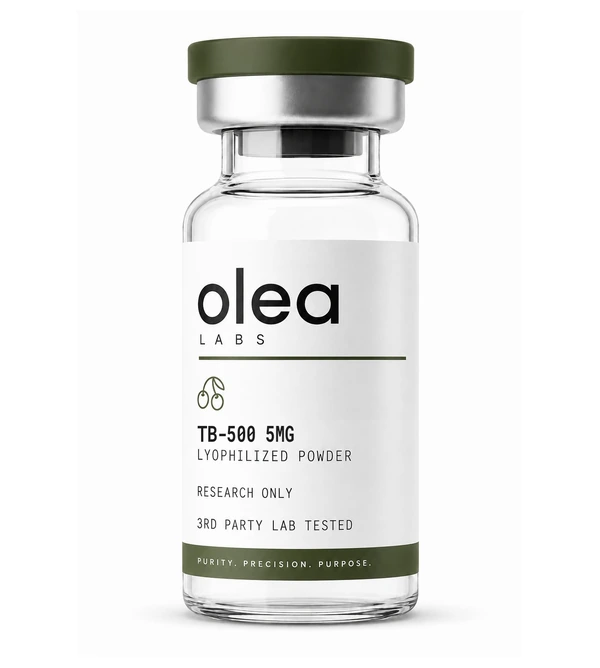
TB-500 and Thymosin Beta-4: The Actin-Regulating Peptide in Repair Research
TB-500 is the research-grade fragment of thymosin beta-4, the most abundant actin-binding peptide in human cells. The mechanism and the preclinical evidence, reviewed.
CJC-1295 and Ipamorelin: Why Growth-Hormone Research Studies Them Together
One compound presses the accelerator, the other widens the road. The mechanistic logic behind the most-cited growth-hormone secretagogue pairing in research literature.
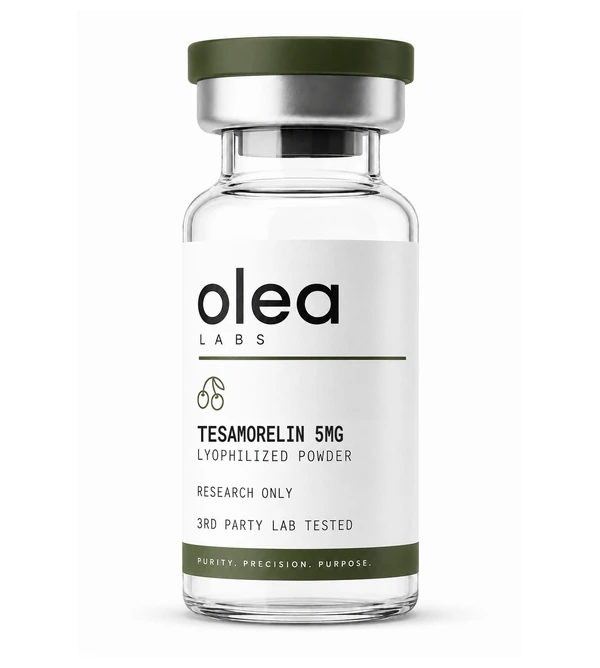
Tesamorelin: The FDA-Approved GHRH Analog With a Unique Research Niche
Tesamorelin is the only GHRH analog with FDA approval — and its visceral adipose tissue data gave growth-hormone-axis research a rare, validated clinical endpoint.
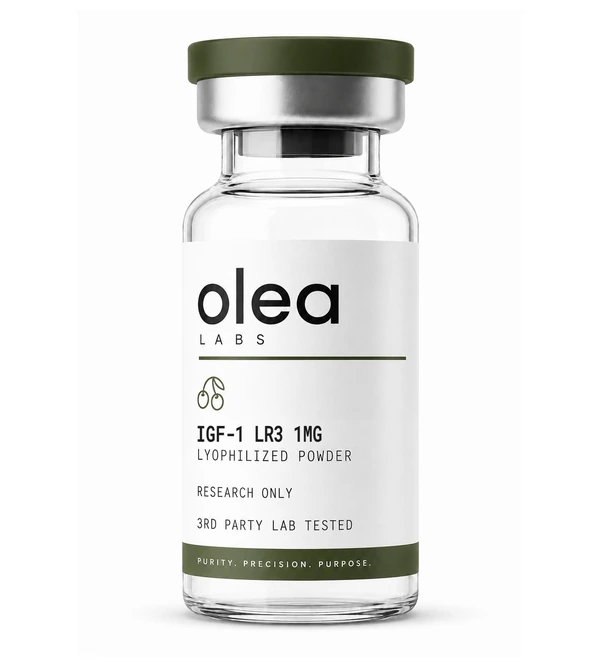
IGF-1 LR3: Engineering a Longer-Acting Growth Factor for Cell Research
Two mutations turned a two-hour growth factor into a day-long one. How IGF-1 LR3 works, why cell-culture media uses it, and how to verify a recombinant batch.